When you're shipping volume, the trailer configuration is the cost decision
If you’re moving serious freight up and down the east coast, most of what you’re paying for isn’t the freight. It’s trips.
Every trip is a driver, a prime mover, fuel for 900 kilometres, and a slot in someone’s schedule. Cut the number of trips and everything else follows. That’s the entire argument for B-doubles, and for high volume shippers it’s usually the biggest single lever available.
What a B-double actually gives you
The part people underestimate
B-doubles are not just bigger trucks. They’re route restricted, they demand more skill to drive well, and they need depots and yards built to handle them.
That’s where a lot of operators come unstuck. They’ll quote you B-double rates and then run into a route they can’t legally take, a yard they can’t turn in, or a driver who isn’t rated for it.
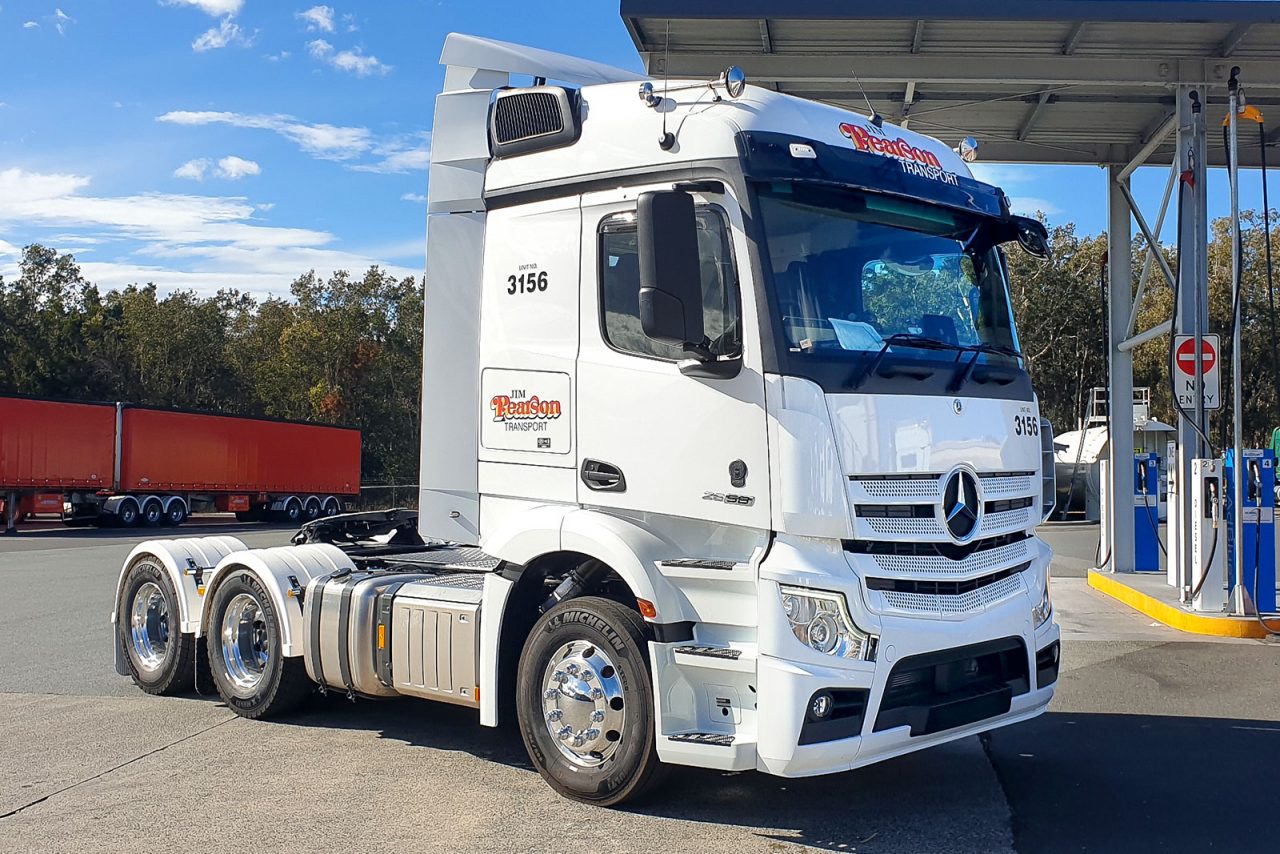
We’ve been running this configuration on this corridor for years. Our people know which routes work, our depots are built for the gear, and our drivers are trained in house by Cert IV qualified instructors before they’re put on it.
Capacity you can actually book
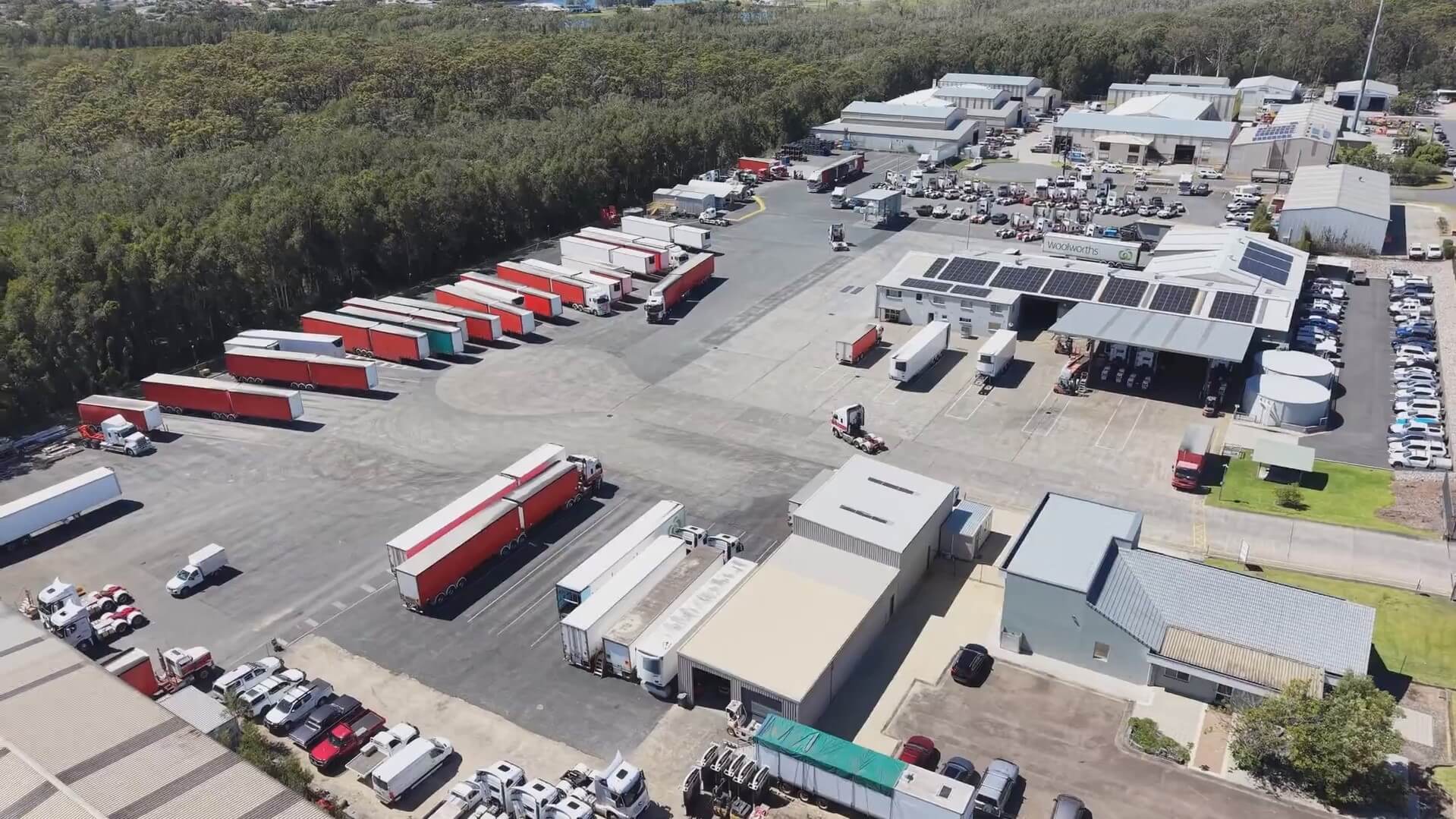
280 prime movers. More than 400 trailers. 650 people across six depots between Brisbane and Sydney.
Scale matters for high volume freight because the thing that kills a shipping schedule isn’t price, it’s a carrier who can’t take the load this week. When your volume spikes, or a competitor’s truck doesn’t turn up, capacity is the only thing that helps.
Safety isn't a slide in the deck
Bigger combinations demand better systems. Ours are NHVAS accredited, with in house training covering fatigue management, compliance and safe driving, run by qualified instructors rather than outsourced and forgotten.
The Australian Trucking Association gave us the TruckSafe John Kelly Memorial Award in 2015 and again in 2025. Primary Connect named us Large Carrier of the Year in 2014 and 2020. We’ve moved freight for Woolworths for more than thirty years.
If you’re in chain of responsibility, that record is doing real work for you. Your carrier’s compliance is your compliance.
Who this suits
High volume shippers moving palletised freight, retail distribution, industrial cargo or temperature controlled product between Queensland and New South Wales, particularly anyone currently running multiple semis on a lane that would consolidate.
If that’s you, the conversation is worth having even if you’re happy with your current carrier. The numbers either work or they don’t, and it takes about ten minutes to find out.
Get the numbers on your lane
Frequently Asked Questions
A B-double is a prime mover pulling two linked trailers, carrying significantly more freight per trip than a standard semi trailer. Linehaul means long distance movement between cities and regional hubs.
Jim Pearson Transport's B-doubles carry 34 to 40 tonne depending on configuration.
Fewer trips for the same freight volume, which lowers cost per unit, reduces fuel burned per tonne and simplifies scheduling.
Across Australia's east coast, supported by six depots between Brisbane and Sydney.
Yes. B-doubles operate on approved route networks, which is why depot placement and operator experience matter.
Yes, NHVAS accredited, with Cert IV qualified in house driver trainers and a record including the ATA TruckSafe John Kelly Memorial Award in 2015 and 2025.